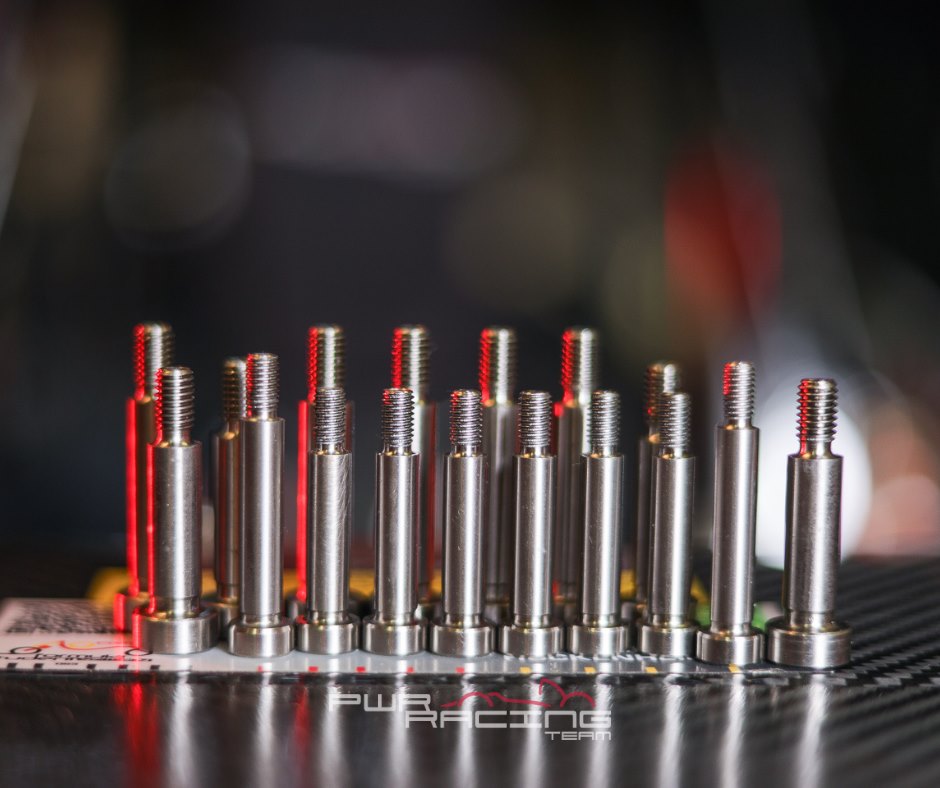
Since 2019, we have been supporting ambitious students by sharing our expertise in fastener production, materials science, and strength requirements for mechanical joints.
Formula Student is a prestigious engineering competition for university students, centered around the design, construction, and testing of racing cars. Participants build vehicles in accordance with international regulations and compete in both static and dynamic events.
The static events evaluate students’ knowledge and skills through presentations judged by expert panels. Three main aspects are assessed:
- Vehicle design – the complete engineering concept behind the car’s construction
- Manufacturing and cost analysis – including production risk assessment
- Business model – including market analysis and sales strategy
The dynamic events take place on a racetrack and test the vehicle’s performance in several disciplines. Acceleration is tested over a 75-meter stretch, stability on a figure-eight course, and the starting position for the main race is determined by a one-kilometer sprint qualifier.
The main endurance race spans 22 kilometers, where durability and efficiency of the cars are key. All dynamic events are based on achieving the best possible team time, with several teams competing simultaneously in the endurance race for the fastest lap.
Formula Student cars are inspired by Formula 1 and compete in three categories: combustion, electric, and autonomous. They must meet strict technical requirements, including those related to safety, drivetrain type, aerodynamics, and suspension. These are highly advanced vehicles that students design and build from scratch, often with industry support.
Though their top speeds are modest (typically 130–150 km/h), agility and acceleration are critical. As of now, the world record for electric car acceleration is held by a Formula Student team—reaching 100 km/h in under 1 second!
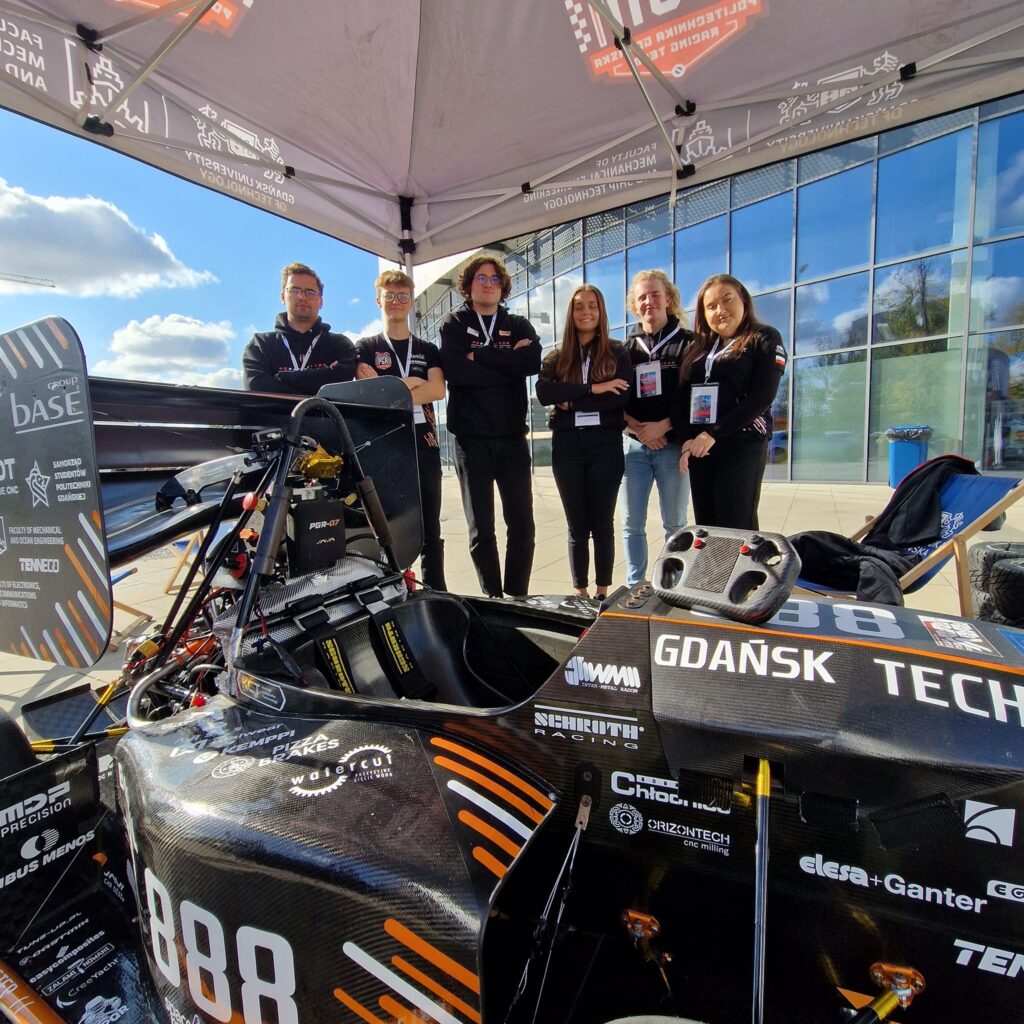
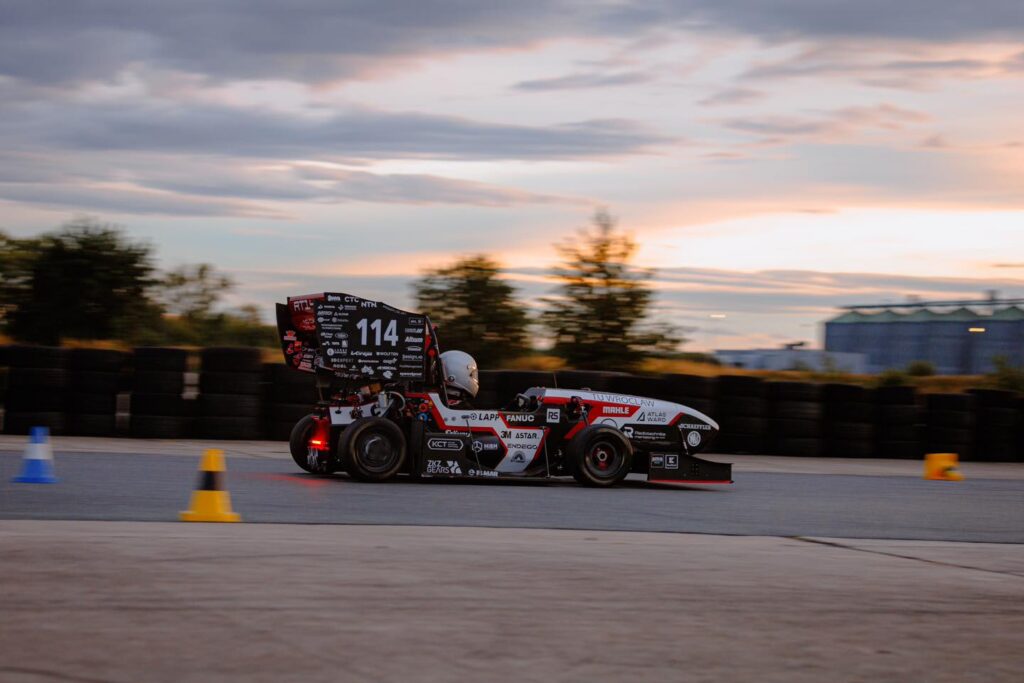
Since the 2019 season, we have partnered with the PWR Racing Team from Wrocław University of Science and Technology, and in later years, we have also supported teams from Warsaw University of Technology and Gdańsk University of Technology (PG Racing).
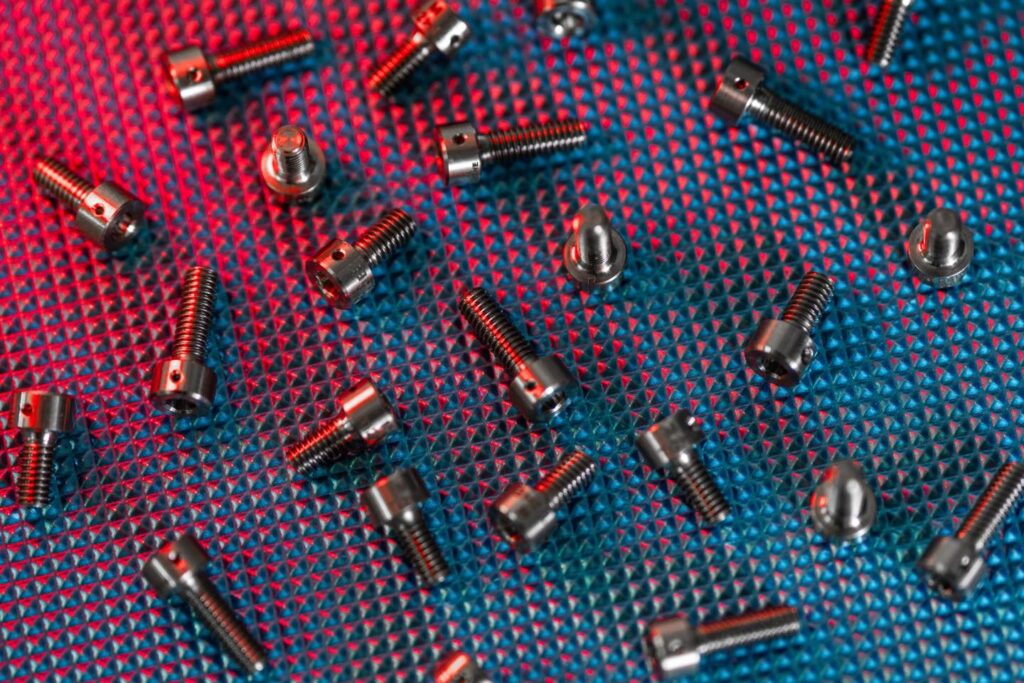
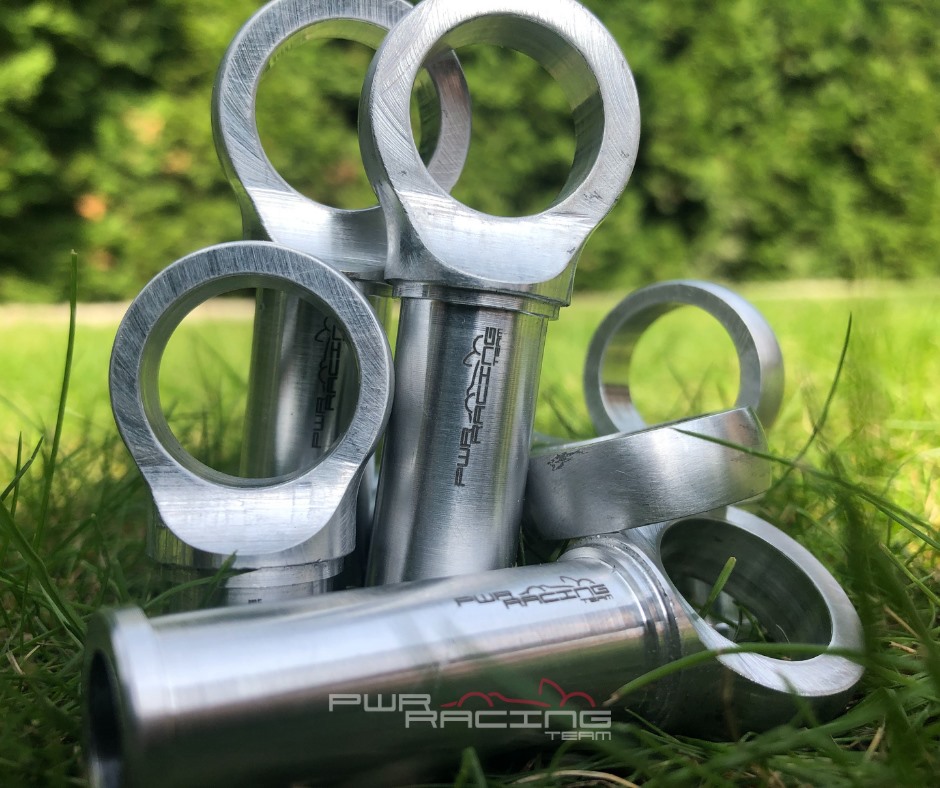
Our collaboration is based on sponsorship and technical support, through the production of fasteners for the cars built anew each season. We supply students with bolts, nuts, washers, and specialized structural components made from lightweight metals such as aluminum and titanium, manufactured in specially enhanced strength conditions.
This way, we effectively combine driver safety—thanks to strong components—with a focus on reducing vehicle weight, made possible through our R&D cooperation with the Institute of High Pressure Physics of the Polish Academy of Sciences.
And we are continually impressed by the engagement, ambition, and knowledge of these young engineering talents—it is truly a pleasure to work with them.